




Lujiazui Harbour City Exhibition Centre

In March 2017, the architecture and design firm OMA released plans for a new exhibition centre in Shanghai.
Located on one of the most photographed waterfronts in the world, along the Huangpu River, the Lujiazui Harbour City Exhibition Centre occupies the site of the former Shanghai Shipyard, which has a long history of shipbuilding industry.
The new exhibition centre is positioned on the ramp of a former ship cradle and provides a concentrated event space within the surrounding financial district.

According to OMA, they conceived the exhibition centre as a ‘spatial armature’, suspended above a plaza and connected to another exhibition space beneath the ramp.
The building gives structure to the open space, adding new programmatic opportunities for film screenings, fashion shows, and concerts. The new volume transforms the existing ramp into a large-scale theatrical space for events while the covered plaza under the elevated box can be used for more intimate events.

The aim of the design is to ‘establish a dialogue with the site’s industrial past’ through the building’s materiality and architecture; a mysterious object wrapped in a metallic mesh exposes its steel structure, echoing the unfinished ship hulls which used to populate the site.
OMA were appointed by Lujiazui Central Financial District (Phase II) Development Corporation to design and execute the building in November 2014.

Content and images courtesy of OMA.
[edit] Find out more
[edit] Related articles on Designing Buildings Wiki
Featured articles
Check out some of the best features and news from Designing Buildings as well as key stories from around the web.
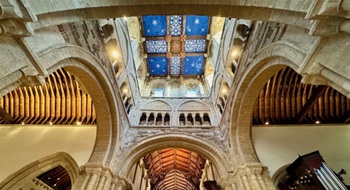
Dorset's first conservation campaigner?
Gov.uk - Hot-rolled steel plate

New anti-dumping measure imposed on South Korea.
ECA responds to the Milburn Report

Youth employment to be linked to workforce demand.
The construction industry urgently needs to attract new talent
CIOB responds to Neets report.
Grenfell Tower community update

Memorial columns to be retained as careful dismantling continues.
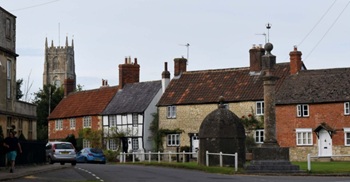
When buildings reflected the local resources available.

CIOB reports 57% are using artificial intelligence technologies.

More of England’s ‘hidden heroes’ will be celebrated.

CIAT calls for retrofit to be a priority.

Version 6 is now available, along with guidance for ECA members.
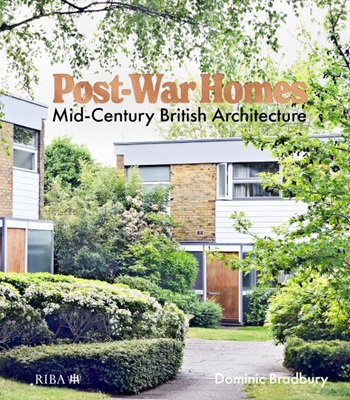
Post-War Homes: mid-century British architecture. Book review.

CIAT reflects on the party conferences.